
e-TRIFED lifts Indian forest collectors' income by 35%
Collectors of non-timber forest products in India capture less than 20% of final consumer prices; digital platforms like e-TRIFED show 28-35% higher returns for producers, according to a recent analysis.
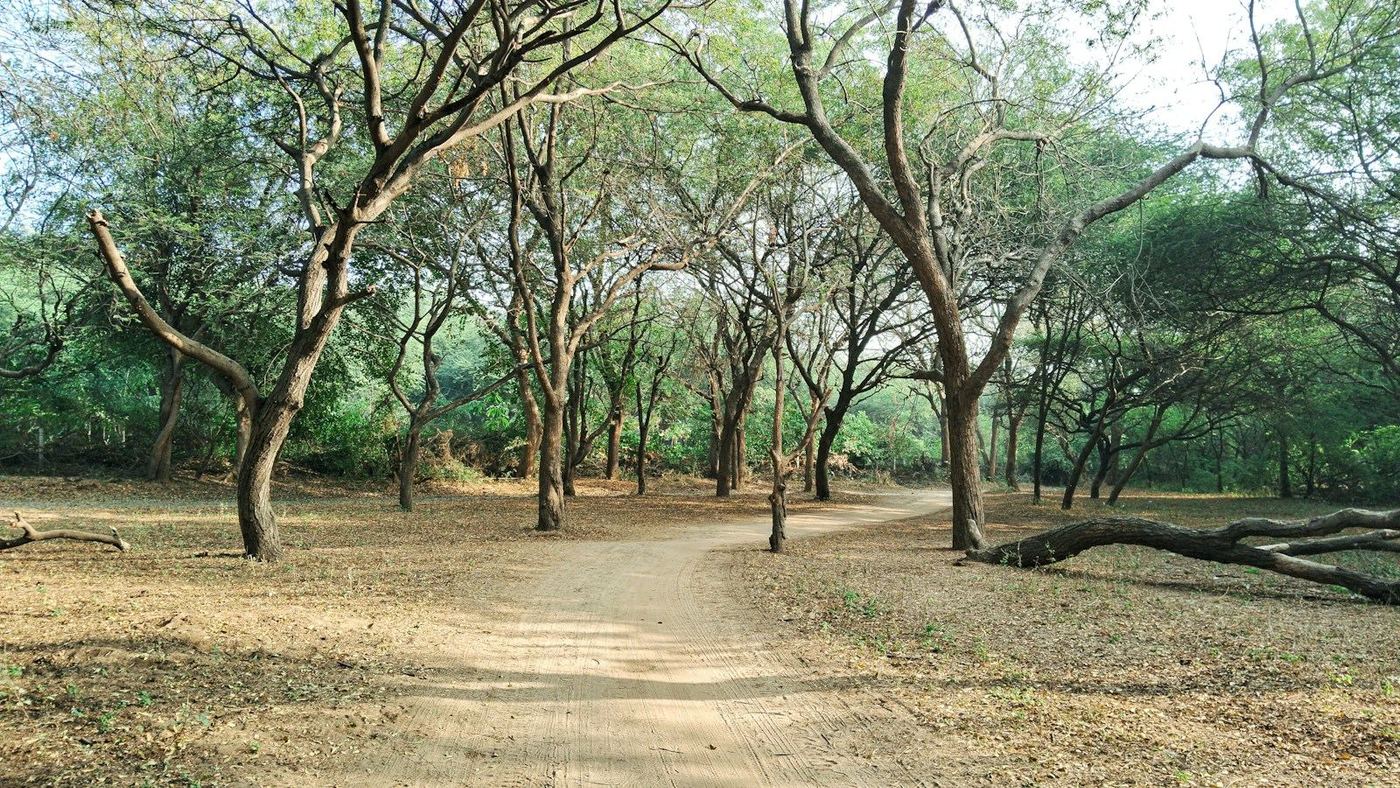
Climate Shifts and Livelihood Pressures
Erratic rainfall and changing weather patterns are disrupting the availability of non-timber forest products (NTFPs) in India, directly affecting communities that depend on these resources for their livelihoods. For instance, Mamta Tigga, a gatherer in Gumla, Jharkhand, observed a significant reduction in mahua flower collection this year.
Typically, between March and April, her family gathers 400 to 500 kilograms (4-5 quintal) of mahua; however, due to excessive rain, their collection amounted to only 25 kilograms. These products, which include mahua flowers, gethi kanda, and tendu leaves, are vital sources of food, medicine, and income for millions.
Arkajyoti Dutta, an assistant professor at the Vellore Institute of Technology, notes that NTFPs, often classified as 'minor forest produce' in Indian policy, are central to the nutrition, health, income, and identity of tens of millions of people.
Addressing Value Chain Disparities
Despite their critical role in the collection and initial processing of NTFPs, rural communities often receive a disproportionately small share of market revenues. Women, who comprise 60 to 80 per cent of India’s NTFP collection and primary processing workforce, are particularly affected by this imbalance, as highlighted by Eco-Business Policy & Finance on 20 October 2026.
Preyoshi Chakrabarti, a co-author of a review published in *Frontiers in Sustainable Food Systems*, states that collectors capture under 20 per cent of the final consumer price.
She points to the tendu leaf supply chain as an example, where the value multiplies nearly six times between collection and retail, with most of this additional value not reaching the individuals who performed the initial labour.
Digital Solutions for Direct Market Access
To mitigate these disparities, initiatives that connect producers directly with buyers are showing promise. The Tribal Cooperative Marketing Development Federation of India (TRIFED), operating under the Ministry of Tribal Affairs, developed e-TRIFED, an e-commerce platform designed to eliminate intermediaries.
Producer groups registered directly with e-TRIFED are already experiencing 28 to 35 per cent higher prices for their produce compared to those using conventional channels. This mechanism demonstrates its effectiveness when properly structured, according to Chakrabarti.
She suggests that a blockchain system could further enhance transparency by embedding the collector’s identity, location, and the price received at the initial point of the supply chain. This would allow consumers scanning a QR code on a product, such as Sundarbans honey, to verify its authenticity and the payment details for the original gatherer.
Recognising Specialised Traditional Knowledge
The collection of forest produce demands specialised knowledge and skills, which are often inherited and carry significant risk. Dutta highlights nighttime honey harvesting from giant honey bee colonies in the Sundarbans, where specific techniques, such as using smoke to pacify wild bees, are employed.
This knowledge is not widely held, yet urban markets frequently consume the final product without acknowledging the expertise and danger involved in its production. The review also argues that traditional ecological knowledge should be regarded as a dynamic and adaptive system, rather than mere folklore.
This includes understanding optimal collection times and methods, such as gathering mahua flowers after they naturally fall, rather than stripping them from trees, which supports sustainable harvesting practices.
Implications for Economic Development in Asia
The economic insights from India’s non-timber forest product sector offer a model for improving rural livelihoods across Asia. Implementing direct market access platforms, similar to e-TRIFED, could significantly boost incomes for forest-dependent communities, with evidence showing a 28 to 35 per cent price increase for producers.
Policymakers and investors in other Asian nations with substantial forest resources and indigenous populations, such as in Southeast Asia, can examine these models for replication. The integration of transparent technologies like blockchain could further secure fair compensation, potentially by 2027, as pilot programmes demonstrate clear benefits.
The focus for decision-makers should be on structuring value chains that acknowledge and reward traditional ecological knowledge and ensure equitable distribution of market value, moving beyond outdated classifications of NTFPs as 'minor' resources.
This analysis is journalism, not investment advice; consult a licensed professional before making financial decisions.
Pieces are credited to the desk that commissioned and edited them. Our editorial standards, and the desks behind them, are set out on the Editorial Standards and Team pages.
Further reading
- Briefings · Industry
How Taiwan's migrant worker recruitment debt impacts electronics market access
An October investigation reveals migrant worker recruitment debt in Taiwan's electronics sector, threatening Western market access and potential EU import bans by December 2027.
Continue reading → - Briefings · Industry
What will drive Southeast Asia's digital economy to $368 billion by 2026?
AI integration in e-commerce, particularly for product recommendations and content creation, is projected to expand Southeast Asia's digital economy to $368 billion by 2026, according to the e-Conomy SEA 2026 report.
Continue reading → - Briefings · Policy
How will MDB reforms add $792 billion to development lending?
Heads of Multilateral Development Banks, meeting in Manila on 17 October 2026, confirmed plans to boost financial support for developing nations over the next decade.
Continue reading →