
Singapore's COE reforms: 5-band model to reshape car pricing
Singapore's Ministry of Transport confirmed public backing for a five-band rebate-surcharge model, aiming to distinguish Certificate of Entitlement premiums for mass-market and luxury vehicles.
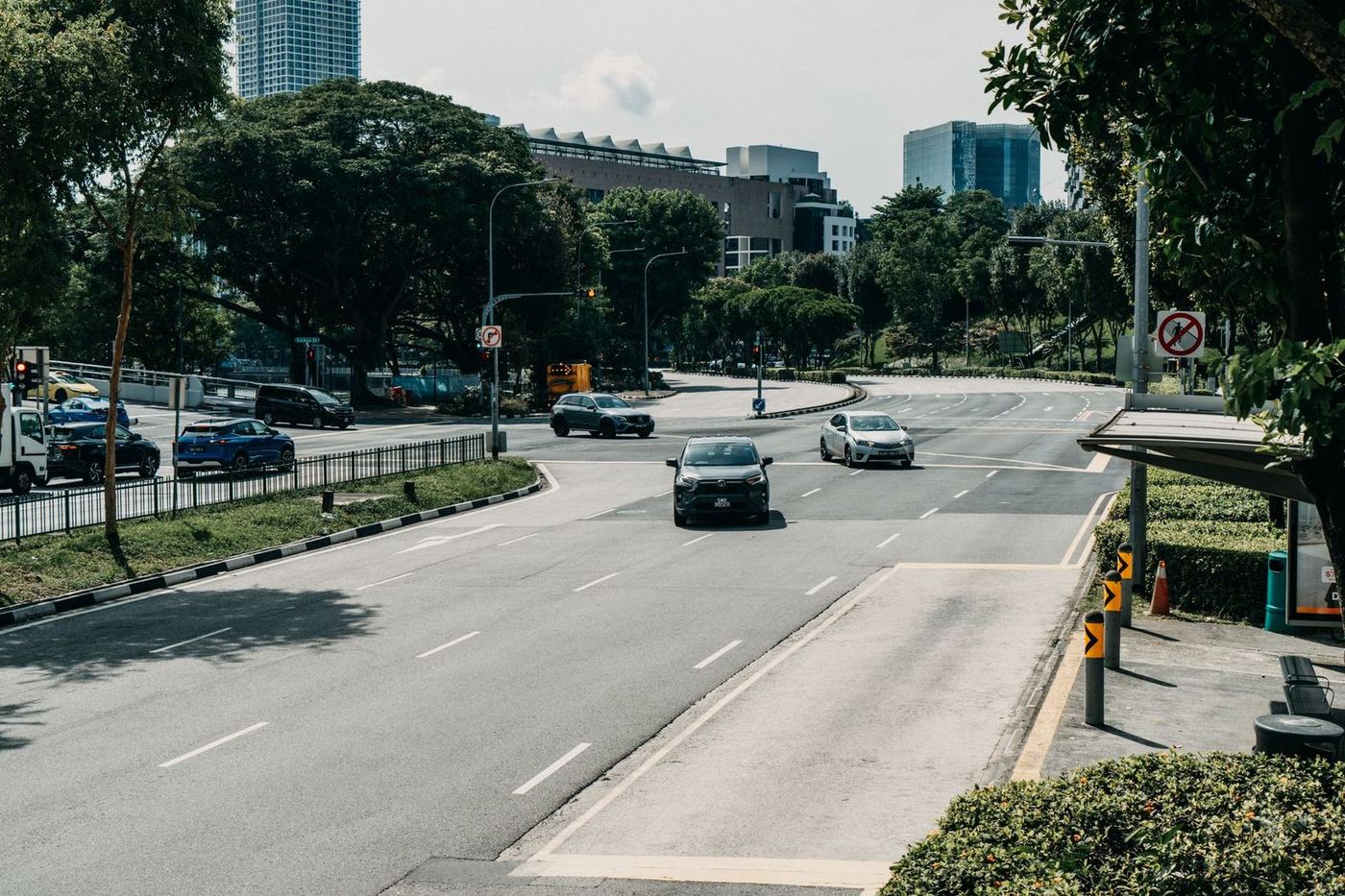
Public Consultation Supports New COE Structure
Singapore's Minister for Transport, Jeffrey Siow, announced in Parliament on 3 November 2026 that a significant majority of public consultation respondents endorsed proposed changes to the Certificate of Entitlement (COE) system.
The Land Transport Authority (LTA) conducted the consultation from 8 October to 2 November 2026, revealing strong support for a new rebate-surcharge scheme. Specifically, most participants favoured implementing a five-band system to categorise vehicles.
This feedback provides a clear direction for the government's efforts to refine the framework governing vehicle ownership in the city-state, a system designed to manage traffic congestion and vehicle population.
Five-Band Rebate-Surcharge Mechanism
The core of the proposed reform involves combining the existing COE bidding categories for mainstream and luxury cars into a unified system. Under this new model, a rebate or surcharge would be applied based on a vehicle's Open Market Value (OMV).
The LTA's proposal suggests that mass-market cars could receive rebates of up to S$15,000, while luxury vehicles might incur surcharges of up to S$15,000.
The primary objective of this adjustment, as stated by Minister Siow, is to differentiate COE premiums more effectively between mass-market and higher-end automobiles, while also reducing the abrupt price increases, known as “cliff effects,” that can occur between existing categories.
Policy on Private-Hire Cars and Electric Vehicles
Further details from Minister Siow addressed the treatment of specific vehicle types under the revised COE framework. The status of taxis remains under review, indicating that further policy adjustments may be forthcoming for this segment. However, private-hire cars (PHCs) will not be allocated a distinct COE category.
Minister Siow explained that creating a separate category for PHCs would likely restrict the supply of COEs available to them, potentially leading to increased rental costs for drivers and subsequently higher fares for commuters.
Regarding electric vehicles (EVs), the government decided against a separate rebate-surcharge structure, citing concerns that it would unduly complicate the overall system.
Instead, EV adoption will continue to be supported through the Vehicular Emissions Scheme (VES), which is scheduled to run until the end of 2027 and provides incentives of up to S$22,500 for cleaner cars, alongside penalties of up to S$35,000 for more polluting models.
Market Implications for Vehicle Acquisition
The introduction of a five-band rebate-surcharge system for Singapore's COE is expected to directly influence vehicle acquisition costs and consumer choices. For individuals seeking mass-market vehicles, the potential for rebates up to S$15,000 could lower the financial barrier to car ownership, while luxury car buyers will face corresponding surcharges.
This clear differentiation aims to stabilise pricing within specific market segments and reduce volatility. Automotive dealerships and financial institutions will need to adjust their sales strategies and loan offerings to align with the new banding structure.
The decision to maintain existing arrangements for private-hire cars underscores a policy focus on commuter affordability, while the reliance on the existing Vehicular Emissions Scheme for EVs suggests a continued emphasis on environmental incentives rather than a separate COE mechanism.
Stakeholders in the automotive sector will monitor the finalisation of these reforms for their impact on demand and supply dynamics across the market.
This analysis is journalism, not investment advice; consult a licensed professional before making financial decisions.
Pieces are credited to the desk that commissioned and edited them. Our editorial standards, and the desks behind them, are set out on the Editorial Standards and Team pages.
Further reading
- Briefings · Markets
What do the Bank of Japan's October accounts show about its balance sheet?
The Bank of Japan's total assets reached 626.19 trillion yen by the end of October 2026, primarily driven by holdings of government securities and pecuniary trusts.
Continue reading → - Briefings · Markets
Can Singaporean REITs provide stability amidst market volatility?
Despite attractive high yields and rising rents, analysts suggest Singaporean real estate investment trusts face potential impact from bond yield concerns, similar to those affecting the banking sector.
Continue reading → - Briefings · Companies
What does PGBank's B1 rating reveal for its market position?
PGBank, a Vietnamese lender, has received a B1 long-term deposit rating from Moody's Ratings with a stable outlook, signalling its financial strength and growth potential in the retail banking sector.
Continue reading →