
Sentosa Development Corp. to double visitor numbers over 20 years
Sentosa Development Corp. aims to double the resort island's visitor numbers by introducing significant new attractions progressively over the next two decades, according to CEO Thien Kwee Eng.
Singapore Commits to Long-Term Tourism Growth
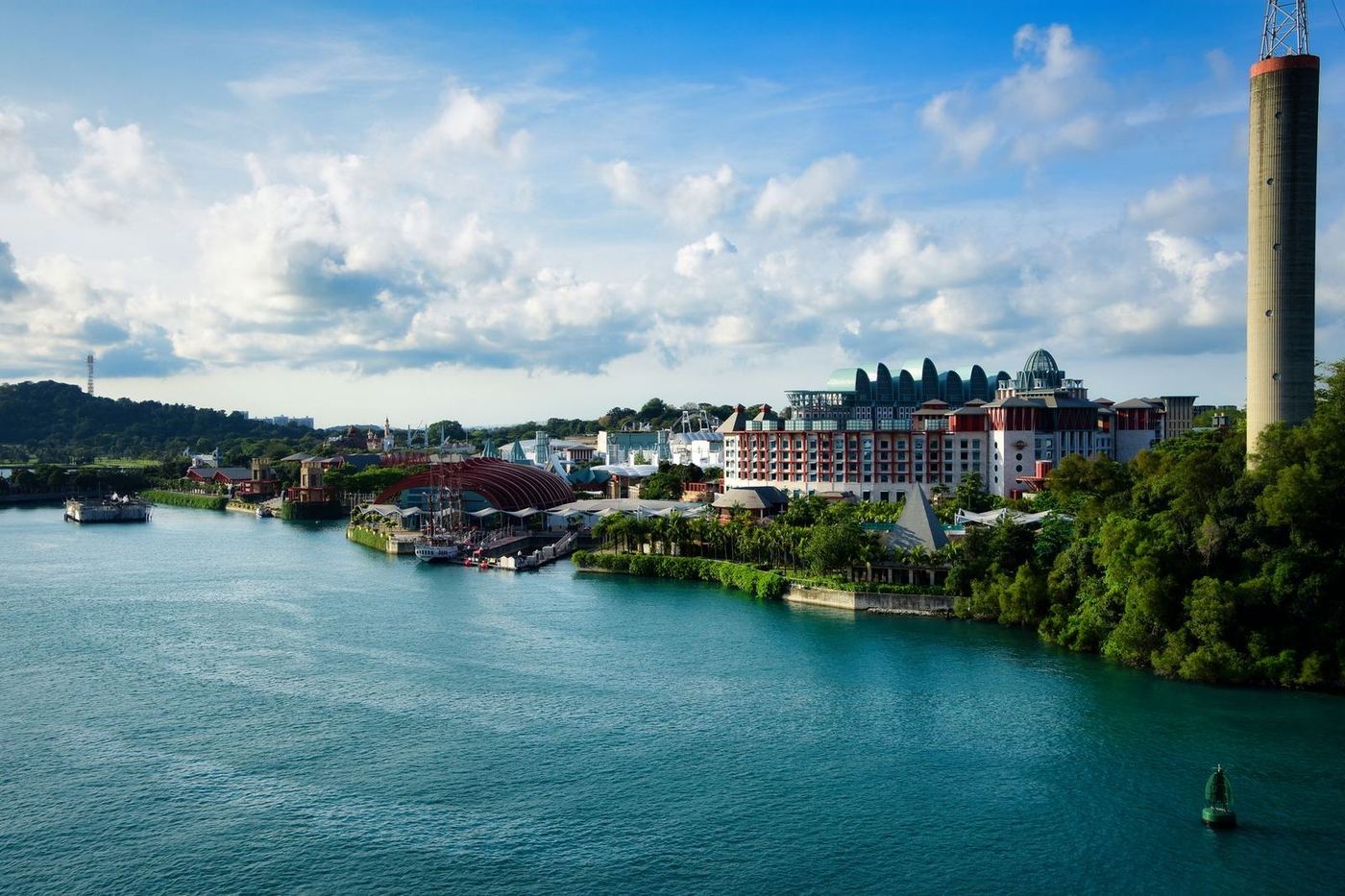
Singapore's Sentosa Development Corp. (SDC) has outlined a comprehensive strategy to significantly expand the Sentosa resort island, with the stated goal of doubling its visitor numbers. Sentosa Development Corp. CEO Thien Kwee Eng confirmed that this ambitious expansion project is scheduled for progressive implementation over a two-decade timeframe.
As one of the city-state's primary tourist attractions, Sentosa currently features a range of leisure options, including beaches, a casino, and a Universal Studios theme park. The long-term plan signals Singapore's commitment to reinforcing its position as a leading destination for regional and international travellers.
New Attractions Planned Over Two Decades
The core of the Sentosa expansion involves the introduction of new attractions designed to enhance the island's appeal. While specific details of these future developments were not provided, CEO Thien Kwee Eng indicated that these additions would be transformative for the resort.
The phased approach to development over twenty years suggests a continuous evolution of Sentosa's offerings, aiming to maintain its competitive edge in the dynamic Asian tourism market. This strategy allows for flexibility in responding to changing visitor preferences and market trends throughout the implementation period.
Building on Existing Appeal
Sentosa island already draws a substantial number of tourists, anchored by its diverse array of existing facilities. These include its well-known palm-fringed beaches, a prominent casino, and the popular Universal Studios theme park.
The expansion seeks to build upon this established foundation, leveraging the island's existing infrastructure and brand recognition to attract an even broader demographic.
The objective of doubling visitor numbers underscores the expectation that the new attractions will significantly enhance Sentosa's capacity and appeal to a wider international audience, extending beyond its traditional regional base.
Implications for Regional Tourism Investment
The scale and two-decade timeframe of this expansion signify a sustained capital deployment strategy by Singapore to strengthen its standing in the competitive regional tourism market. Businesses operating in hospitality, entertainment, and related infrastructure sectors across Southeast Asia should consider the potential for increased competition for high-spending visitors.
Decision-makers should observe specific project announcements and associated capital expenditure figures as they emerge from Sentosa Development Corp. in the coming years, as these will indicate the evolving landscape of destination investment and potential shifts in tourism flows within the region.
This analysis is journalism, not investment advice; consult a licensed professional before making financial decisions.
Pieces are credited to the desk that commissioned and edited them. Our editorial standards, and the desks behind them, are set out on the Editorial Standards and Team pages.
Further reading
- Briefings · Markets
How did Seoul equities perform on Monday, driven by tech strength?
The Korea Composite Stock Price Index gained 0.93% to 6,958.32 on 21 September 2026, as chipmakers advanced despite investor caution over elevated oil prices.
Continue reading → - Briefings · Industry
How are supply chain bottlenecks and AI investments reshaping Asia's semiconductor industry?
Global technology firms are intensifying competition for talent and custom silicon, while equipment lead times extend to 40 months, impacting capacity expansion across Asian manufacturing hubs.
Continue reading → - Briefings · Markets
Eurozone Consumers Raise Near-Term Inflation Outlook in August
The European Central Bank's August 2026 survey shows consumer expectations for inflation over the next 12 months increased to 3.0%, while forecasts for economic growth remained negative at −1.2%.
Continue reading →