
How does multilateral trade support a sustainable ocean economy?
WTO Director-General Ngozi Okonjo-Iweala outlined multilateral frameworks, including the Fisheries Subsidies Agreement, to protect the US$2.6 trillion ocean economy and its 133 million jobs.
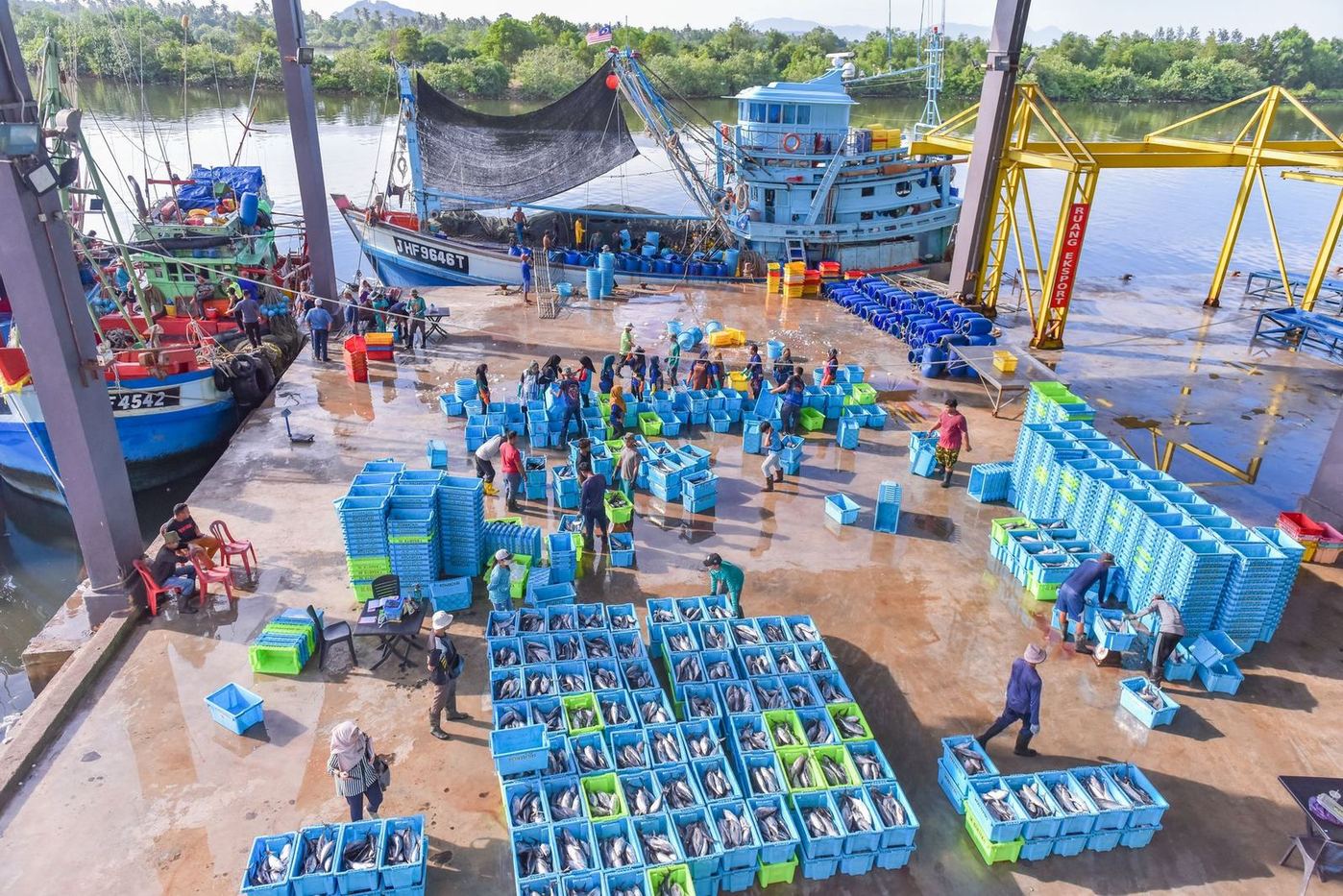
Trade's role in the ocean economy
The World Trade Organisation's Director-General, Ngozi Okonjo-Iweala, affirmed the multilateral trading system's capacity to foster a healthy and prosperous ocean economy.
Speaking at a WTO event on 5 November 2026, co-organised by Belgium, Fiji, and Portugal, Ms Okonjo-Iweala highlighted the ocean's dual role as a vital natural resource and a significant driver of trade, food security, and livelihoods. The global ocean economy is valued at US$2.6 trillion and provides employment for approximately 133 million people.
Furthermore, over 80 per cent of goods traded globally are transported by sea. The Director-General stressed that sustainability is not a compromise but a prerequisite for prosperity within this sector, cautioning that declining marine biodiversity poses a direct threat to the trade, food security, and livelihoods dependent on it.
Fisheries subsidies agreement in force
Ms Okonjo-Iweala pointed to the WTO Agreement on Fisheries Subsidies as a key mechanism for sustainable ocean development. This agreement, which became effective in September 2025, represents the first WTO accord primarily focused on environmental sustainability.
It specifically forbids government support for illegal, unreported, and unregulated (IUU) fishing activities, fishing of overfished stocks, and operations in unregulated areas of the high seas. Despite ongoing geopolitical complexities, 72 per cent of global goods trade continues under WTO most-favoured-nation terms, demonstrating the multilateral system's enduring framework.
The Director-General urged member states to conclude the outstanding negotiations on fisheries subsidies, known as "Fish 2," to further strengthen the agreement's disciplines.
Tools for developing coastal economies
Beyond the fisheries agreement, the WTO provides additional instruments to support the ocean economy, particularly for island and coastal nations.
These include the WTO Trade Facilitation Agreement, which assists in the swift cross-border movement of perishable goods, and the WTO Dialogue on Plastics Pollution, which addresses issues such as single-use plastics and access to waste management technologies.
Discussions also encompass environmental sustainability and ensuring access to goods and services vital for the green transition. Development initiatives, such as the Enhanced Integrated Framework and the Standards and Trade Development Facility, further contribute to this effort.
Ms Okonjo-Iweala also noted the importance of partnerships, citing the Geneva Nexus, an informal knowledge-sharing group established in June 2026, which addresses ocean governance, trade, biodiversity, health, and food security.
Implications for Asia's ocean-dependent economies
For Asian decision-makers, the WTO's emphasis on sustainable ocean development and support for coastal and island economies holds direct relevance. Many Asian nations, including island states and those with extensive coastlines, rely heavily on maritime trade and marine resources for economic growth and food security.
The call to help these economies advance their position in the ocean economy value chain, through improved access to technology, skills, infrastructure, and finance for product processing, certification, and market reach, presents a clear directive. The ongoing "Fish 2" negotiations, if concluded, could introduce stricter regulations that impact regional fishing industries.
Asian governments and businesses should monitor these negotiations and assess how enhanced trade disciplines and multilateral initiatives will shape investment and operational strategies in their maritime sectors over the coming years.
This analysis is journalism, not investment advice; consult a licensed professional before making financial decisions.
Pieces are credited to the desk that commissioned and edited them. Our editorial standards, and the desks behind them, are set out on the Editorial Standards and Team pages.
Further reading
- Briefings · Companies
How did Tesla's October sales reinforce its lead in South Korea's imported vehicle market?
The electric vehicle manufacturer registered 9,165 units in October 2026, marking a 110.7 percent increase from the previous year and extending its market dominance among imported brands for the ninth consecutive month.
Continue reading → - Briefings · Policy
Pakistan's airspace restriction: What does it reveal about its One China policy adherence?
Islamabad temporarily barred China Airlines and EVA Air flights last month, reversing the decision until March 2027, a move its Defence Minister linked to the One China policy.
Continue reading → - Briefings · Markets
How will the Reserve Bank of India's ₹50,000 crore repo affect liquidity?
India's central bank will conduct a four-day variable rate repo auction on 9 November 2026, aiming to address prevailing short-term liquidity conditions in the financial system.
Continue reading →