
Pakistan's airspace restriction: What does it reveal about its One China policy adherence?
Islamabad temporarily barred China Airlines and EVA Air flights last month, reversing the decision until March 2027, a move its Defence Minister linked to the One China policy.
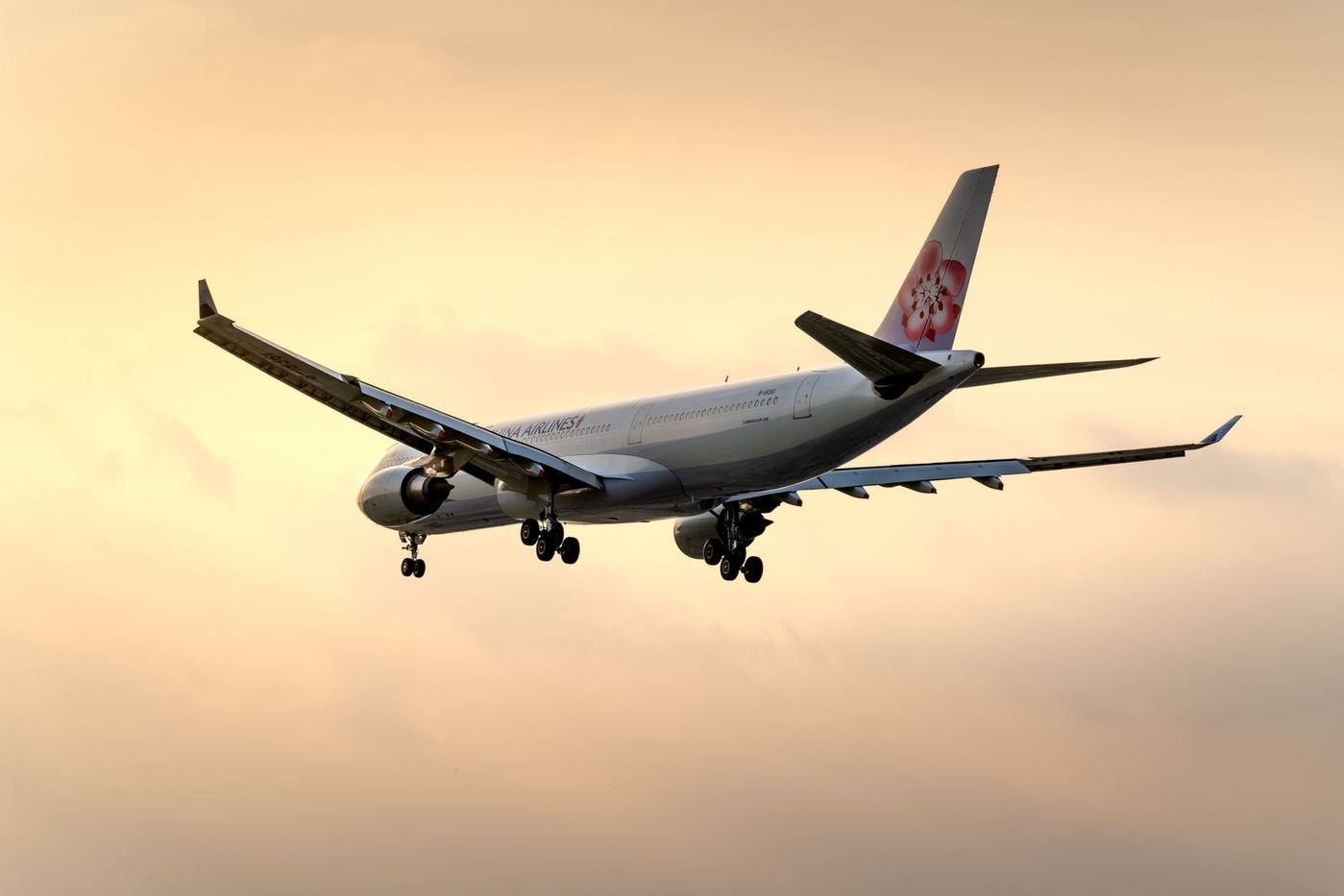
Airspace Restriction and Temporary Reversal
Pakistan temporarily denied its airspace to two Taiwanese commercial carriers, China Airlines and EVA Air, last month. Pakistan's Defence Minister, Khawaja Asif, stated that this action aligned with the country's "One China policy," which permits access only to mainland China.
This restriction was, however, abruptly reversed, granting both airlines access to Pakistani airspace until 27 March 2027. No official explanation has been provided regarding the arrangements or policy that will apply after this deadline.
This temporary measure and its subsequent reversal have prompted questions about the scope of Pakistan's interpretation of the One China policy and its implications for commercial aviation.
Unconventional Adherence to Policy
The imposition of such an airspace restriction on commercial flights is unusual, as even mainland China does not typically apply these limitations to Taiwanese commercial carriers. Pakistan maintains minimal direct ties with Taiwan, lacking official representation offices and direct flight connections between the two sides.
Approximately 900 Pakistani nationals reside in Taiwan, comprising students, professionals, and restaurant owners.
While Pakistan strictly adheres to the One China policy, regularly reaffirming its commitment to China's sovereignty and territorial integrity, this adherence traditionally involves opposing Taiwan's independence and accepting Beijing's claim, but does not usually extend to denying commercial overflight rights, which are generally considered matters of civil aviation arrangements.
Strategic Motivations for the Action
The source suggests two primary drivers for Pakistan's decision to implement the temporary airspace ban. One possibility is that China requested the ban to reinforce its One China policy and to demonstrate Beijing's influence over its partners, with Pakistan being one of its most reliable supporters on the Taiwan issue.
Alternatively, Pakistan may have initiated the ban autonomously to signal its loyalty to China. This could be particularly relevant as Islamabad seeks to strengthen its relationship with the United States, and amidst concerns over the China-Pakistan Economic Corridor (CPEC) evolving into a "security liability" for Beijing rather than a strategic and economic asset.
The temporary ban could serve as a token gesture, reassuring Beijing that Pakistan's efforts to foster closer ties with Washington do not compromise its relationship with China.
Operational Costs and Precedent for Asian Aviation
Should the airspace restriction be reinstated after the 27 March 2027 deadline, Taiwanese airlines operating routes to the Middle East and Europe would face increased operational costs and longer travel times due to necessary rerouting. While the long-term implications for Taiwan's overall air transport might not be major, the episode could establish a precedent.
This action might encourage other nations aligned with Beijing and adhering strongly to the One China policy to impose similar commercial aviation restrictions.
Such a development could create new pressure points for Taiwanese airlines, particularly given Taipei's lack of representation in the International Civil Aviation Organisation (ICAO), potentially turning commercial aviation restrictions into a new method of exerting pressure on Taiwan's air links across Asia.
This analysis is journalism, not investment advice; consult a licensed professional before making financial decisions.
Pieces are credited to the desk that commissioned and edited them. Our editorial standards, and the desks behind them, are set out on the Editorial Standards and Team pages.
Further reading
- Briefings · Companies
How did Tesla's October sales reinforce its lead in South Korea's imported vehicle market?
The electric vehicle manufacturer registered 9,165 units in October 2026, marking a 110.7 percent increase from the previous year and extending its market dominance among imported brands for the ninth consecutive month.
Continue reading → - Briefings · Policy
How does multilateral trade support a sustainable ocean economy?
WTO Director-General Ngozi Okonjo-Iweala outlined multilateral frameworks, including the Fisheries Subsidies Agreement, to protect the US$2.6 trillion ocean economy and its 133 million jobs.
Continue reading → - Briefings · Markets
How will the Reserve Bank of India's ₹50,000 crore repo affect liquidity?
India's central bank will conduct a four-day variable rate repo auction on 9 November 2026, aiming to address prevailing short-term liquidity conditions in the financial system.
Continue reading →