
How will the Reserve Bank of India's ₹50,000 crore repo affect liquidity?
India's central bank will conduct a four-day variable rate repo auction on 9 November 2026, aiming to address prevailing short-term liquidity conditions in the financial system.
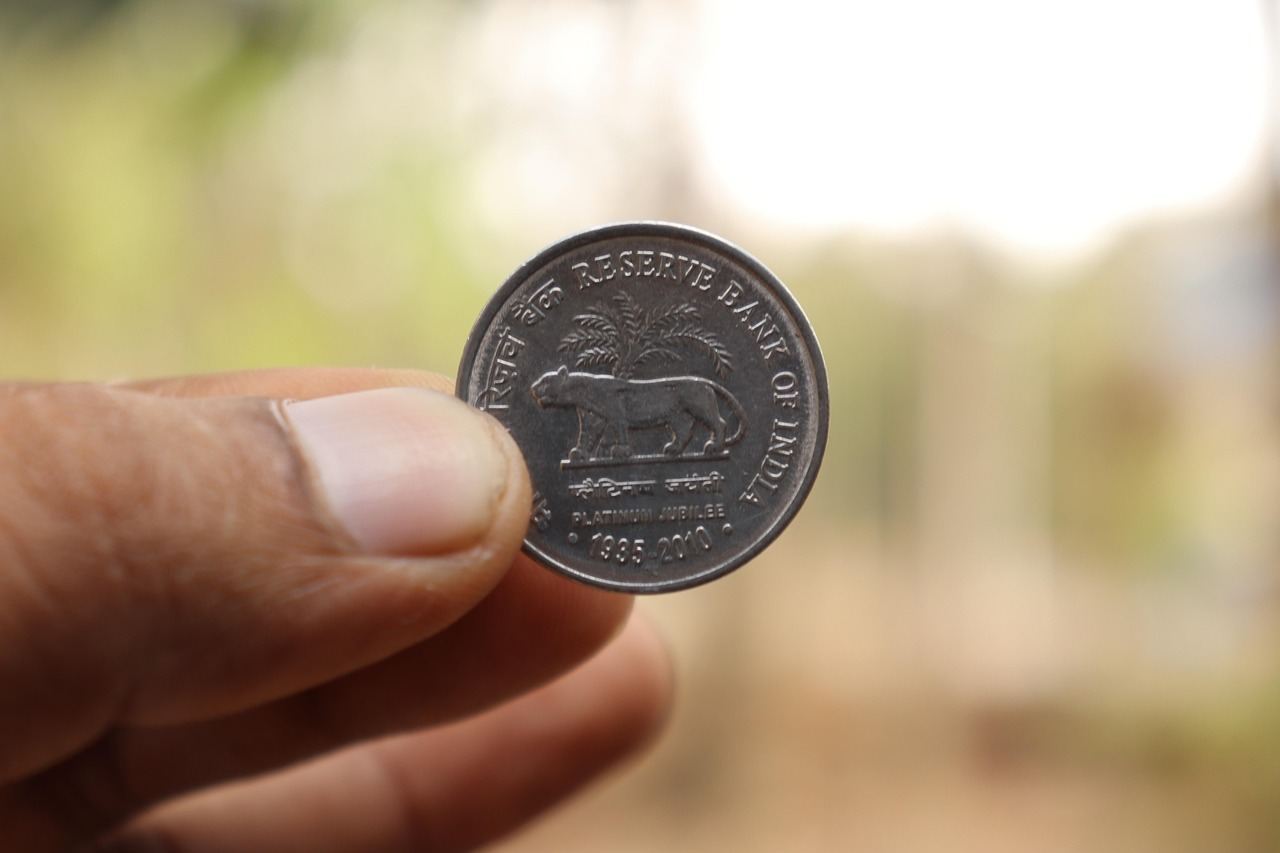
RBI Schedules ₹50,000 Crore Repo Auction
The Reserve Bank of India (RBI) has announced its intention to conduct a four-day variable rate repo (VRR) auction, amounting to ₹50,000 crore, on 9 November 2026. This operation, detailed in a press release issued on 6 November 2026, falls under the central bank's Liquidity Adjustment Facility (LAF).
The auction window is scheduled to be open to eligible participants from 9:30 AM to 10:00 AM, with the funds reversing on 13 November 2026. This initiative reflects the RBI's ongoing efforts to manage and stabilise short-term liquidity within the Indian financial system, responding to its assessment of prevailing market conditions.
The VRR mechanism allows the central bank to inject or withdraw liquidity at market-determined rates, offering flexibility in its monetary policy implementation.
Managing Near-Term Liquidity Conditions
The decision to conduct this specific VRR auction stems from the Reserve Bank of India's continuous review of "current and evolving liquidity conditions in the near term," as stated in its 6 November 2026 press release.
Central banks utilise such operations as a primary tool to fine-tune system-wide liquidity, ensuring that the banking sector maintains an adequate level of funds to meet its operational and lending requirements.
By offering a four-day tenor, the RBI aims to address immediate or anticipated shortfalls in liquidity for a defined period, preventing potential volatility in short-term money markets.
This targeted approach allows the central bank to respond dynamically to market needs without signalling a shift in its broader monetary policy stance, thereby maintaining stability in funding availability.
Auction Mechanics and Operational Guidelines
The operational framework for the upcoming ₹50,000 crore VRR auction will align with the guidelines previously stipulated by the Reserve Bank of India. These procedures were outlined in the central bank's press release 2021-2022/1572, dated 20 January 2022, ensuring a consistent and transparent process for market participants.
Under these established rules, eligible financial institutions will submit competitive bids, specifying the amount of funds they wish to borrow and the corresponding interest rates. The RBI then determines the cut-off rate, which reflects the market's demand for liquidity and the central bank's objectives for managing money supply.
This adherence to existing protocols provides clarity and predictability for banks engaging in these vital liquidity management operations.
Implications for Interbank Funding Costs
The Reserve Bank of India's ₹50,000 crore VRR auction is expected to influence short-term interbank funding costs in India by injecting a substantial amount of liquidity into the financial system.
For commercial banks, this operation provides a direct avenue to secure short-term funds at a variable rate, potentially alleviating any tightness observed in the overnight or short-term money markets. Financial decision-makers should closely observe the cut-off rate established during the auction on 9 November 2026.
This rate will serve as a key indicator of the market's immediate demand for liquidity and will offer insights into the RBI's prevailing stance on managing money market conditions. Effective management of liquidity through such auctions is crucial for maintaining stable lending rates and supporting overall credit availability in the Indian economy in the near term.
This analysis is journalism, not investment advice; consult a licensed professional before making financial decisions.
Pieces are credited to the desk that commissioned and edited them. Our editorial standards, and the desks behind them, are set out on the Editorial Standards and Team pages.
Further reading
- Briefings · Companies
How did Tesla's October sales reinforce its lead in South Korea's imported vehicle market?
The electric vehicle manufacturer registered 9,165 units in October 2026, marking a 110.7 percent increase from the previous year and extending its market dominance among imported brands for the ninth consecutive month.
Continue reading → - Briefings · Policy
How does multilateral trade support a sustainable ocean economy?
WTO Director-General Ngozi Okonjo-Iweala outlined multilateral frameworks, including the Fisheries Subsidies Agreement, to protect the US$2.6 trillion ocean economy and its 133 million jobs.
Continue reading → - Briefings · Policy
Pakistan's airspace restriction: What does it reveal about its One China policy adherence?
Islamabad temporarily barred China Airlines and EVA Air flights last month, reversing the decision until March 2027, a move its Defence Minister linked to the One China policy.
Continue reading →